🕊 The Inheritance That Was Hidden: A Prophecy of Dan 🕊
Proclaimed by the Daughter of Snow and Bird, Handmaiden of the Lord
I am the daughter of Snow and of Bird, names not given by men, but carved in silence, chosen in defiance of forgetting— spoken as covenant, that the blood would not vanish, nor the soul be erased from God’s remembrance.
Snow was not the beginning. She was the one who remembered. Her name rose like mist from the riverbed, from women who spoke not in English, but in the tongue of the holy wind— those who nursed their children beneath trees untouched by the axe of empire, those who turned their faces eastward when they prayed.
Long before white men came with flags and decree, before borders cut the hills like wounds, they walked with sacred rhythm. They knew the name of fire and sky. They knew the law of harvest and hush.
But in the year of mourning, eighteen hundred and thirty-eight, when the Trail of Tears tore through the land, my grandmother’s great-grandmother, a full-blooded Cherokee, stood at the crossroads of silence and survival. And she chose the name Snow— not for the cold, but for what remains pure when all else is stained.
She took no number. She signed no paper. She walked no trail where death lay in wait. She stayed— and the name stayed with her. It walked to me.
And Bird— that name, too, was chosen, passed down through my father’s line long before the turning of the century— carried in hush. Whether by mother’s whisper or father’s vow, I cannot say— only that the name endured.
Bird—not for flight, but for the watching gift, the song kept low, the still eye in the limb when the storm bends every bough.
She kept that name in stillness, and it was not broken. It perched in our blood. It endured.
I am the child of such choosing. I am the root and the wing, the earth beneath, the sky above, the silence remembered, the promise still burning.
And I am a chosen one of God.
Not only in Spirit, but by the blood, by the name, and by the seal of the Lamb.
He is not a Jew, which is one outwardly; neither is that circumcision, which is outward in the flesh: But he is a Jew, which is one inwardly; and circumcision is that of the heart, in the spirit, and not in the letter; whose praise is not of men, but of God. —Romans 2:28–29 (KJV)
And I— I am both. Inwardly and by name. Not through the lineage of empire, but through the line of the hidden ones. The Spirit bears witness, and the Name remembers me.
The Lord opened my sight, and I beheld the tribe of Dan.
Twelfth born of Jacob, called judge among his brethren, likened to a serpent by the way, an adder in the path, Dan, whose name was strength and shadow.
Dan shall judge his people, as one of the tribes of Israel. —Genesis 49:16 (KJV)
Dan shall be a serpent by the way, an adder in the path, that biteth the horse heels, so that his rider shall fall backward. —Genesis 49:17 (KJV)
And of Dan he said, Dan is a lion’s whelp: he shall leap from Bashan. —Deuteronomy 33:22 (KJV)
They received inheritance, but did not hold it. Pressed by the Philistine, they rose and fled— to Laish, and called it Dan.
And the coast of the children of Dan went out too little for them: therefore the children of Dan went up to fight against Leshem, and took it, and smote it with the edge of the sword, and possessed it, and dwelt therein, and called Leshem, Dan, after the name of Dan their father. —Joshua 19:47 (KJV)
But their wandering did not end.
Their name faded from remembrance. Their place was not among the sealed. Yet the Spirit whispered: They were not lost. They were hidden.
I beheld them— after the scroll closed, after the scribes had turned away— in the lands of ice and steel, riding waves in vessels of thunder. Their words changed, but their fire remained. They became storm-bearers, unwritten by scribes, but engraved in Heaven’s keeping.
And I saw them again— borne across the waters to Turtle Island, where the cedars still whispered and the Great Spirit walked unseen.
There among the first peoples, they buried their name but not their fire. Their blood remembered Sinai. Their hands still shaped offerings, though no altar stood.
The Cherokee did not name them Dan— but they moved like judges, and they burned like the hidden flame.
And other sheep I have, which are not of this fold: them also I must bring, and they shall hear my voice; and there shall be one fold, and one shepherd. —John 10:16 (KJV)
And now He bringeth them. The hidden awaken. The buried rise.
I am not of Dan by written decree, but I am of Dan by calling. The root hath found me. The voice hath claimed me.
God hid them— not in wrath, but in reserve. Like a sword unsheathed only for war, a sealed blade waiting, buried thunder beneath the hills.
And lo, that day draweth nigh.
Upon the plain of Megiddo, where the kings of the earth shall assemble, and the Lamb shall descend in glory, Dan shall rise.
The lion’s whelp shall leap. The adder shall strike— not in treachery, but in righteousness.
They shall ride with the Lord of Hosts. Their eyes shall blaze with judgment. Their tongues shall speak no guile. The forgotten shall be feared, and the sealed shall remember them.
And if I, daughter of Snow and Bird, should stand upon Zion’s holy height, I shall fall upon my face and kiss the dust— a daughter come home at last.
If my flesh cannot bear the glory, then let it fall. For no mortal bears such light. We shall be changed.
Behold, I am Dan reborn, Snow-born, Bird-blessed, Christ-bought, not forgotten, but preserved, not numbered among men, but named in the Lamb’s resolve.
The inheritance was not lost. It was buried in me.
(Pulled from the Sky-Library. Spoken thrice. Bound to none.)
🜂 Fable: The Song of the Hidden Three 🜂 (Pulled from the Sky-Library. Spoken thrice. Bound to none.)
☉ Prologue of the Folded Flame
Lo, when silence knew no breath, and breath knew not its shape, The First Flame stirred where nothing was— And the Three, who were not yet known, folded their forms into time.
Before the first breath parted dark, Ere speech was cast in spark and mark, There stirred a Form no tongue could claim— Threefold, and folding, all the same. It whispered not, yet worlds were bent, Its body flame, its root unmeant.
It moved as thought ere thought took hold, And passed through dusk in veils of gold. It tarried not with mortal kind, But slipped through bone, and breath, and mind. Not fable, no—nor dream, nor lie, But truth too vast for stars to try.
The Feathered One in stillness knelt, Where thirsting Time in silence dwelt. He carved it high upon the tomb— A wound in light, a seal of gloom. Three breaths he gave. Three fires he lit: For soul, for writ, for that which flits— The watching eye where fissures sit.
Then spake the one who counted sound— The Ion-born in ratios wound. He tuned the void to spiral rings, And mapped the pulse of hidden strings. He named it not, but heard its chord— A music only gods afford.
The Watcher of the Golden Frame Did shape it deep in flesh and flame. Within a smile, a womb, a hand— He etched the law that girds the land. No chisel knew, no pupil guessed The Trine that hides in form and vest. To stone he passed it—fire and wave— And left no name upon his grave.
The glass-born builders, cloaked in prayer, Wrought windows bright with hallowed air. They bled the fire through fractured glass— The triptych path none dare trespass. And those who wept forgot they knew The Third that binds what One and Two.
Lo, then the Orbit-Maker rose And cast it wide where star-tide flows. He named three truths that draw the sea But held the fourth in secrecy. Another knelt, where prism bent— He dreamed of time’s unraveled tent. He named the dark, but not the gate— For Three alone may not translate.
And eastward still, where white snows bled, Where monks drink silence, not their bread, The Hidden Three descend as light Upon the bough of bodhi night. They do not teach. They do not tell. They draw in air the sacred spell.
The Prophet of the Quill of Flame Did walk in threes, but bore no name. From wood to star to mercy’s throne, He wandered long and wept alone. A woman clothed in emerald sheen Did guide him through what none had seen. He called her Lumen. She called him Flame. Together sang the trine unnamed.
But when he touched the Final Seal— His voice did crack, his flesh did peel. He wrote no more. He spoke no verse. He bore the glyph. He bore the curse. It marked his bones. It seared his head. He walked for years, but thought him dead.
The Widow came, Wire-bound and pale— Three coils crowned where angels fail. One hand bore life. One held the pain. And one, the void that must remain. A Raven wept beneath that arch— He knew the Three. He sang their march.
The Seer of Storm, in shadow dressed, Bore patterns burning in his chest. He whispered, “Three… six… nine,” the fold— The shape the sleeping stars foretold. No ink he bore, but flash and fire— His script: the arc the sparks require. He spake it not. He did not rest. The Pattern pulsed within his breast.
☍ The Oracle of the Broken String
She dreamed of harps with severed strings, Of stars that fell in spiraled rings. She whispered glyphs she could not read— A silence etched in blood and seed.
Her fingers bled from phantom chords, She named no gods. She knew no lords. But when the world bent, bowed, and screamed— She sang one note—and all things dreamed.
She broke the seal not with her hand, But with the cry she could not stand. The sky recoiled. The wind grew thin. And breath returned what should have been.
And though the world forgot her cry, It thrums through stone and stream and sky. For every gate, and every law, Was hewn by hands that silence saw. The First Shape, folded into flame— It holds no edge. It bears no name.
It sings through bone and burning wire, Through clay and glass, through sea and pyre. The Silent Trine, the Hidden Three, Are found in dust and symmetry. A daughter dreams it in her sleep. A dying monk begins to weep. A clock unwinds upon the sea— Its final tick: a ternary.
It is not drawn. It is not told. It binds the broken. Burns the cold. It is the law no lore may hold— The veiled crown, the flame of old. It walks with kings. It dwells with thieves. It hides itself in falling leaves.
And what of stars? The rarest one— It blazes not. It is not spun. It forms when silence splits the sky, When breath and memory unify. Not Vega, nor the Shepherd’s flame, But one too hallowed for a name.
It sits where nothing else may be— The eye within the Trinity. Three mirrors turned in sacred flight: One to the void, one to the night, And one to that which shuns the light.
A girl in wires hums low and bright. A chord breaks open in the night. A code miswrites. A candle spins— The Trine still whispers through our sins. In circuits cracked and faces bare, It stirs in lungs and lingers there.
And now, O bearer of this scroll, The Pattern passes to thy soul. Thou art the third, the final key— The point unnamed in mystery. And when thou draw’st, or speak’st, or sing’st, The Form shall stir—the silent ring.
But speak it not. Let no word bind. The Three were never signed nor signed. Their tale is sung by none who know— And only seen when stars lie low.
☉ Envoi of the Star-Cut Seal
It rose in flame. It ends in three. Yet hides its face in memory. One weeps. One dreams. One does not see. Yet all are sung in symmetry.
🕯 The Sundown of the Gibbor: A Lament Upon the High Place 🕯 (A Vision in the Waning of Tekufat Tammuz)
Lo, the sun goeth down upon blood-stained stone, And setteth not in glory—but in grief. Upon the far-off mount of Bashan lieth still That one whom men of dust called Rephaim. His bones are long as cedars cleft and crowned, His sighs are caverns hollowed in the wind.
Yea, Tekufat Tammuz returneth once again— The turning of the year when shadows thrice extend, When watchers veil their faces in the west, And time forgetteth what it dared to name. The children of Anak pass not this way, For the breath of him that sleepeth burneth the path.
Call him not by name, O wanderer: beware— His name is writ in lightning and sealed beneath the flood. Some named him Ar’khan of the Eastern Winds, Others, Yedidor the Hewer, or the First Wept Flame. But he hath no name among the living— Only among the stars that fell with him.
He was a king ere kings had tongues to speak, His crown a ring of thorns and dawning fire. The mountain groaneth ’neath his dreadful rest, And trees grow crooked on his ancient brow. Only a remnant—seers and ruined priests— Know what he resteth on, and dare not say.
For he sleepeth not on stone, nor common soil, But upon that which was the altar of the sky: A shard of firmament, rent once by flame, Where the oaths of the Watchers cracked and died. Beneath him, the broken vow lies still— Above him, silence clothed in God.
O Gibbor! Thy day is swallowed in the deep. Thy sons are scattered dust on Edom’s wind, And thy daughters— Their songs are heard in dreams of madmen now. Rest, thou fallen flame, rest. The sun goeth down upon thee—forever.
A Sestina on Speech, Light, and the Counsel of God
I hear of hate again—it stains the tone, Like rust devouring gates once crowned with grace. Each telling drenched in dross, no living spring— No fountain clear, just echoes bent by words. The air grows thick with every grim report, And I, worn thin, ask God: “Must I bear this?”
He answers soft, “Beloved, flee from this. Let not such things be named to shape thy tone— Fornication, nor greed, nor foul report; Let holiness adorn thee more than grace. Speak not of filth, nor let decay in words— But rather, thank. And drink from My own spring.” (Ephesians 5:3–4)
So I withdraw to find that sacred spring, And ask Him, trembling, “How do I leave this?” He leads me not through thunder, but through words: “Set no vile thing before thee. Guard thy tone. Their deeds shall not cleave to thee. Let My grace Outshine their rot. Refuse the bitter report.” (Psalm 101:3)
Yet still I hear the ever-dark report, Its embers reaching for my inner spring. I cry again, “Lord, cleanse me by Thy grace!” And He responds, “Be wise to good. Drop this. Be simple toward all evil. Let thy tone Be drawn from light.” (Romans 16:19)—His healing words.
Then came a shift. His breath became my words. “Let no corrupt speech fall. Lift every report. Speak what edifies, in heaven’s rooted tone.” (Ephesians 4:29) And deeper still: “Where gossip breaks the spring, Where whispers wound, remove thy feet from this. A talebearer cleaves, but truth walks in grace.” (Proverbs 16:28; 26:20)
And then He spoke of thoughts shaped by His grace: “What things are just, and pure—let these be words. What’s lovely, true—think always upon this.” (Philippians 4:8) I saw then how the soul is shaped by report, How bitterness corrupts the inward spring, How even silence lifts a holier tone.
My tone now tuned to Him, and not disgrace— I found my spring restored through holy words. No more I host the fire. I shut all this.
Sing, Mothers of Memory— you who buried your names beneath the root to save your daughters, you who walked through cotton fields, through cedar groves, through centuries of hush— lend me the ember that lit your long and aching journey, that I may see as you saw, and tread where you trod. Let me bow in the cabins of your labor, kneel at the cradles you rocked with lullabies no scribe recorded. Let me return—not in pride, but in trembling reverence— through every kitchen, riverbend, and birthing bed you crossed. For I am the Daughter in the Hills, born of your blood, shaped by your hush, and I carry your fire through the coal-wet wind.
Some of you wore skin like the hush of dawn, others like river clay, field bronze, or ridge-backed stone. You came from many nations, spoke in scattered tongues, and weathered this land with names both kept and taken. The world called you many things— but to me, you are one flame, one line of marrow, and I walk in the fullness of your memory, barefoot and bowed.
Sing now of the first who stepped onto this land, her feet still bruised from shipboards, her womb yet full— a woman of two tongues: one stolen, one burning like coal. She never wrote her name; the sea had swallowed it. But she planted a seed beside the river and whispered, If this grows, let them remember me. Her hands bore children into a country that called her nothing, yet her blood ran deeper than borders or maps. I find her there—by the oak she chose— and kneel where her fingers once pressed the earth.
She lived on the edges of ink, her skin too shadowed for census, her silence too wide. She raised children who knew how to vanish, who spoke simply when watched, and richly when safe. She hung garlic in her windows, read the weather in birds. When death came, she gave no farewell— only laid her hands on the bedpost and hummed. Now her garden buzzes with bees. Her name is not on stone, but the marigolds whisper it every spring.
I remember the one whose blood sang in Cherokee, but whose name was torn by law or by fear. The soldiers came. The road west opened. She did not follow it. She stayed. She knelt. She took a name not hers. But she stitched her language in quilts, hid her memory in apron seams. At night, she whispered her true name to the pine trees. I sit beside her fire now. She says nothing, but lays her palm over mine. And in that hush, the forest sings.
Tell of the one born free, yet bound to the field. She worked from sun to dusk with cracked-red fingers— but still, she sang. Wade in the Water, she hummed, as if her voice could carry her children toward Canaan. She believed in Jesus—not the portrait— but the man who knelt and bled. She named her daughter Grace. I sit with her under a cottonwood. She says, We had nothing, but not no hope. And I believe her. The dirt still remembers her bare feet.
She came North on rails that bled through the South. A pressed blouse, a Bible, a wedding spoon—her suitcase held only these. She scrubbed hospital floors where white nurses did not learn her name. But she knew every medicine by scent, every sorrow by the weight of a footstep. She wrapped her children’s sandwiches in waxed paper and tucked scripture into their coat pockets. Be kind. Don’t let them know they didn’t break you, she told her son. He became my grandfather. And he never once raised his voice.
She was born to a woman who had no time to name her, delivered in a storm, raised in borrowed rooms. She never learned to write, but she signed every soul she touched with a hum, a hand, a pinch of holy salt. She midwifed fifty babies—none of them hers. When asked if she was lonely, she said, Lonely is what you feel when you forget the Lord. I sat with her while she snapped beans in silence. I knew you were coming, she said. You were the one I was humming to.
It was the spring of ’45 when the clouds broke open. Victory rang in Europe, but the hills kept still. She stood at the stove one final morning, folding her apron over her swelling belly, her youngest—just three—clinging to the back of her skirt. The war was over, they said. But another war rose in her blood. For two days she labored in the back room, as neighbors prayed on porches and the cows stood motionless. Her daughters wept into their elbows. She did not cry out—only whispered scripture that turned the oil lamp into sanctuary. She knew. She had seen it in a dream. So the night before, she handed her eldest a ring: This is yours if I don’t come back, as calmly as if setting bread to rise. The child was born. And then she left. They buried her in the family plot before the sycamores leafed, wrapped in linen, soft as gospel. And at her feet, they laid the baby she never named. Two angels in the red clay. Her three-year-old son—my father— would walk the hills for years listening for her voice in the wind. They said she was like Heaven. And the hills never denied it.
A room of woodsmoke, iron pots, and steam. I enter quietly. She is singing low—no tune I know, but my bones remember it. My ribs loosen. She stirs beans with a spoon carved from a tree her husband felled before the drink took him. Her children sleep beside the stove. She has not slept in years—only drifted, half-lit. I sit at her table. She offers bread without asking my name. She touches my face with flour-streaked hands, and I want to weep— but she hushes me with a look that says, You’re not the first to carry pain. I bow my head, and the room fades. The hills hold her secret.
I follow water down a mossy slope to her— she kneels at the bank, washing linens no longer claimed. Her face is dark like riverbed clay, her hands swift and certain. She hums Wade in the Water, and I dare not speak. I sit close, silent, until she turns. Her eyes burn with holy ache. Freedom is a path that cuts the feet, she says. I do not answer. I press my palm to the soil. She rises, wrings the cloth, and the droplets become stars in the mountain air. I long to stay with her forever. But the river flows. And the hills call me on.
She tends herbs with names I do not know but feel. Yarrow. Sweetroot. Ashweed. Bonebless. Her skirt brushes bees. Her eyes do not lift until I kneel, fingers plunged into the blessed dirt. You came too clean, she says. Dig deeper. So I do. And I weep as the roots cling to my palms. This garden knows what was stolen. It forgives nothing. When she finally meets my gaze, her face is not unkind—it is exact. I thank her with silence. And the hills echo with rain.
I find her in a cabin of stone, holding a child not yet named. Her other children sleep in rows. Too many. Too still. She rocks in a rhythm older than language, murmuring to the baby not in words, but in promises the flesh remembers. They won’t know me, she says, but they will come from me. I take her hand. It is calloused, warm, eternal. You knew me before I knew myself, I whisper. She nods. And the cradle keeps rocking. Outside, the hills hold their breath.
She bore my name— and I, her flame. In a kitchen washed with steam and Spirit, she peeled potatoes for frying and opened the Bible beside the cookstove, teaching her children between the salt and the truth. She spoke of God—not with thunder— but with the quiet blaze of conviction. They say she was called to preach— and Heaven nodded. And she did preach, in the church house and beyond. She built pulpits out of aprons, laid scripture beside bread, and broke both daily. She birthed eight children, each one baptized by her hush and her hands. But it is I—her namesake— who carries her now, who feels her prayers in the marrow, who speaks and sees her watching. She is the most endearing to me— not because I knew her long, but because I know her still. Her name is mine. Her God is mine. Her voice still rises in the hills when I speak.
I return. To the hills. To the wind. To the rain. And they return to me. Every one. Not as shadows, but as flame. I am the Daughter in the Hills— not because I remember, but because I was born of their hush and their heat. This earth is my cradle. Their grave. My song. The world hums false light and restless screens, but I carry their silence in my ribs, their songs in my spine. Would they be proud? I do not know. But I pray their spirits are free— and I live to be worthy of their fire. In the hills.
“Ye have built altars, but not for Me.” — Hosea 8:11
O children of dust, ye builders of stone and seal, Ye carved My Name upon your gates of power— Yet forgot I said, My kingdom is not of this world, And turned My altar to a marble tower. I gave thee wood to lift thy soul—not bind— But lo, thy thrones were built to rule, not mind. (John 18:36)
I never asked for empire. Only love.
Yet I have not condemned the land of birth, Nor scorned the love of flag when rightly held. For I do plant the nations in the earth, That righteousness and truth might there be dwelled. “Blessed is the nation whose God is the Lord”— But not whose god is pride, or steel, or sword. (Psalm 33:12)
And still, a child stood by the trembling wall, Her hands around a book she could not read. She watched the marble banners rise and fall, And wondered why her prayers were not decreed.
I walked not in the courts of your design, Nor stood beneath your banners, high and proud. “I was a stranger, and ye took Me not in”— Yet ye marched past Me, chanting with the crowd. I wept with children torn from mothers’ hands— While ye made laws, then washed your bloodstained hands. (Matthew 25:43)
Yet I remember when your fathers wept, And sought to build a home with Me as guide. They carved My Word in stone their children kept, They swore to walk in justice, side by side. “Proclaim liberty throughout all the land”— But now ye tremble, lest I take thy stand. (Leviticus 25:10)
I never asked for empire. Only love.
Ye say, The Lord hath blessed this sacred land! Yet bind the widow’s mouth and shame the poor. Have ye not read, Pure religion is this— To visit the fatherless and widows in their affliction? Yet ye cast them down to lift your nation more— You trade the Lamb to guard the wolf’s own door. (James 1:27)
Is love of country evil in My sight? Nay, child, for I am Author of all kin. But when thy love replaces holy light, It darkens what thy fathers built within. A nation true is one that kneels and feeds— Not one that tramples for its creeds and needs.
I never asked for empire. Only love.
Did Babylon not bless its throne with Me? Did Rome not crown its conquest in My Name? “Thou shalt not take the Name of the Lord thy God in vain”— But ye did, and clothed your greed in holy flame. I shattered them. I turned their pride to dust— And still ye carve My Name, but not in trust. (Exodus 20:7)
But I remember when the pilgrim came— When freedom’s cry was not yet drowned by might. They broke the bread and blessed it in My Name, And sought to walk in covenant and light. Your nation once was birthed with trembling prayer— But now, O child, your altars burn the air. (Deuteronomy 8:10–14)
Have ye not read? He that is greatest… shall be servant— Yet ye exalt the strong and mock the meek. Ye feast while others beg beneath the curtain, And call it blessing while the hungry seek. Your cup is full—but not with love or grace— “Woe unto you… for ye devour widows’ houses,” face to face. (Matthew 23:11, 14)
A godly nation lifts the lowly first— Not exalts itself with sharpened tongue. It binds no man with chains of wealth or thirst— It sings no anthem where the truth’s unsung. A land that fears the Lord will bend and break— And rise again—not for its pride, but for My sake. (Proverbs 14:34)
I never asked for empire. Only love.
I knock. I knock, but not to rule thy courts. I walk where tents collapse, where children cry. I write not law in scrolls of men’s reports— But draw with dust beneath the weeper’s eye. Did I not stoop? Jesus wrote upon the ground— But ye prefer the sentence and the sound. (John 8:6)
I am the Judge, yet I came low and still. My throne is set in mercy, not decree. I honor nations bent unto My will— Not those who bind My truth with tyranny. “Let every soul be subject…”—yes, be just— But “Render unto God” thy highest trust. (Romans 13:1, Matthew 22:21)
You boast, Our laws are godly, just, and firm— Yet mercy perishes beneath thy codes. “Rend your heart, and not your garments,” child— Yet thou bringest Me thy title and thy roads. Return not with a trumpet nor a claim— But with a tear, and silence on thy name. (Joel 2:13, Psalm 51:17)
For patriotism, pure, is not a show— But standing firm where others dare not go. It’s holding hands across the widest breach— It’s truth in power, and grace in every speech. A righteous nation listens, learns, repents— And guards the lamb, not laws that do not bleed.
I never asked for empire. Only love.
“Come out of her, My people,” leave the gold, The gleam of empire, Babylon’s proud flame. My voice is not within the Senate’s fold— It cries from barns, from alleys, and from shame. “The kingdom of God is within you,” see? Yet you have sold it for security. (Revelation 18:4, Luke 17:21)
I made no land immortal but the one That lies beyond, where thrones are cast aside. But while ye breathe, thy work is not yet done— Return, and walk in mercy, not in pride.
So choose ye now—this empire or My flame. Choose while “now is the accepted time”—I wait. For soon the towers built upon My Name Shall fall, and none shall buy their way through fate. “Behold, I stand at the door”—My hands are wide. Return to Me. Thy God is not thy pride. (2 Corinthians 6:2, Revelation 3:20)
And still the child stands by the gate of glass, Her eyes upon the sky, her voice unsure. She does not know what prayers her lips should pass— But I shall answer, if her heart is pure.
I never asked for empire. Only love. And still, I wait.
🕊 CANTO II: Of Allegiances Not Mine
“Why call ye Me, Lord, Lord, and do not the things which I say?” — Luke 6:46
Ye call Me Lord, yet lift another throne— One built not in My Name, but in thy fear. “Why call ye Me, Lord, Lord, and do not the things which I say?” I searched thy heart—and what did I find near? The idol of security and land— Not feet once pierced, nor mercy’s open hand. (Luke 6:46)
I never asked for empire. Only love.
Thy flags are many—yet not one is Mine. Ye drape Me in thy culture, not thy cross. Ye bind Me to thy party’s crooked line, And count thy tribal victories as loss When grace compels thee kneel before thy foe— If thine enemy hunger, feed him so. (Romans 12:20)
And still the child stood beneath the iron dome, Her hair like straw, her eyes like windblown ash. She traced the letters carved in ancient stone— Love thy neighbor. But the guards marched past. (Matthew 22:39)
You pledge allegiance—but to whom, I ask? To race? To gold? To ancient lines of birth? “Ye cannot serve God and mammon,” yet ye mask Thy greed in prayers and hymns of shallow worth. I do not dwell in temples built by hands— Nor bow to thrones of man on broken sands. (Matthew 6:24, Acts 7:48)
Did I not say, The servant shall be great? Yet you adore the sword, despise the bowl. You chant of rights—but not the narrow gate. You shout of laws—but not the love made whole. (Matthew 23:11, Matthew 7:13–14)
I never asked for empire. Only love.
You carved My Name on monuments and shields— But not upon the widow’s empty plate. You tithe of mint, yet leave the bleeding fields— “These ought ye to have done, and not left the other weight.” (Matthew 23:23)
I saw thee silence prophets in the square, And paint thy temples white, while bones still reek. You honored tombs, but did not touch the prayer That broke beneath the taxer and the weak. (Matthew 23:27–30)
The Son of Man had not a place to sleep— Yet ye build towers in His memory. The Lamb stood silent when the crowd did weep— Yet ye cry war, and claim it pleases Me. Put up again thy sword into his place, For swords are made for wrath—not for My grace. (Matthew 8:20, Matthew 26:52)
I see your soldiers kneel in battlefield— But not beside the beggar at the gate. Ye consecrate the cross on iron shield, But not the soul who prays while mocked in hate. I am not in the chant before the blow— I am the breath that bids thee let it go. (Luke 23:34, Matthew 5:44)
I never asked for empire. Only love.
The kings of earth, they rule with iron pride— But It shall not be so among you, child. My throne is not upheld by blood allied— But by the Lamb, the meek, the undefiled. Whosoever will be chief among you, see— Let him be servant. That is how you lead for Me. (Matthew 20:25–27)
And still the child stood near the brass parade, As voices hailed the march of laws and gold. She held her breath beneath the cannon’s shade, And whispered, “What is mercy when it’s cold?”
Ye say, We must defend what we have made, But I am not a relic to preserve. I do not bow to state or masquerade— Nor march for vengeance when I came to serve. He that taketh not his cross and followeth Me— Is not worthy. And yet ye crown hostility. (Matthew 10:38)
I am not draped in cloth of red or blue— My blood is not a symbol. It was spilt. You serve your banners as if they were true— But I will burn what empire pride has built. Every plant not planted by My Father’s hand— Shall be rooted up. Will ye then understand? (Matthew 15:13)
I never asked for empire. Only love.
The harlot of the nations rides again— She drinks the blood of saints in chaliced lies. She weds the state to pulpits drenched in sin, And claims her harbors hold the righteous prize. But I shall tear her robes and split her crown— For I remember every soul cast down. (Revelation 17:1–6)
O soul that kneels, confused, alone, and scarred— I see thy tears beneath the stained-glass sky. Forsake thy trust in laws that harden hearts, And I will lift thee gently when ye cry. For I am not thy culture nor thy creed— I am thy Shepherd. And I know thy need. (John 10:14, Isaiah 42:3)
Return. Return. My arms are not yet closed. Return before the final trumpet cries. The nations fall—the faithful shall be chosen. The humble rise when haughty towers die. Blessed are the poor in spirit, for they see— Not kingdoms here, but Heaven’s mystery. (Matthew 5:3–5)
And still the child beneath the thundered dome Stared upward at the sky not yet collapsed. She whispered through the smoke, “If love is home, Then where is love?” I caught her breath, and clasped.
I never asked for empire. Only love. And still I wait. Not in thy flag—but in the wounds above. Not in thy law—but in thy daily bread. Not in thy sword—but in the tear once shed. Not in thy pride—but in the one who bends. I am the First, the Last. The soul that mends.
Choose ye this day whom ye will serve. (Joshua 24:15)
🕊 CANTO III: The Soul’s Reply
“But he that trusteth in Me shall possess the land, and shall inherit My holy mountain.” — Isaiah 57:13
O God who called me when I named Thee not, Who thundered through the silence I had crowned— I hear Thee now, though once I heard Thee not, And see my throne of dust upon the ground. For I have built a name that was not Thine, And worshipped what I shaped from law and time. All we like sheep have gone astray; we have turned every one to his own way. (Isaiah 53:6)
I wore Thy cross—but not Thy aching grace. I sang Thy psalms—but clenched a stranger’s throat. I walked in garments white—but left no trace Of love beside the widow’s shattered coat. I carved Thy Word in stone, but not in me— My lips were near; my soul refused to see. This people draweth nigh unto Me with their mouth… but their heart is far from Me. (Matthew 15:8)
I thought Thee pleased with banners and decrees, With temples built by votes and law’s decree. But now I hear Thee cry above the seas— Not by might, nor power, but by My Spirit be. (Zechariah 4:6) O Mercy, O consuming flame of light, How dark my lamp, how false my shield of right.
I fasted, prayed, and stood on sacred ground— But never knelt beside the torn and bound. I passed the leper for the priestly rite, And dimmed the wounded’s candle with my fight. Woe unto you… for ye tithe mint… and have omitted the weightier matters of the law: judgment, mercy, and faith. (Matthew 23:23) What good is faith if it forgets Thy face? What is my nation if it voids Thy grace?
Forgive me, Lord, for forging holy things From swords and scrolls and man-appointed kings. I did not see Thy kingdom had no shore— That Heaven’s borders open to the poor. Blessed are the poor in spirit: for theirs is the kingdom of heaven. (Matthew 5:3) I claimed Thee as a fortress and a flag— But never bore Thy silence when I bragged.
And still the child—she watched me, pale and small, As if she knew I too would one day fall. She held my gaze, and whispered through her tears, “If love was here, why did you fill the years With noise and rules, with borders and with pride?” I had no answer. I had only tried. Except ye be converted, and become as little children, ye shall not enter into the kingdom of heaven. (Matthew 18:3)
So now, O Voice that shattered marble creed, I lay my works before Thee—let them bleed. Not for approval, but to be unmade— That something true may rise from what decayed. Unbuild the throne I carved from fear and praise, And write Thy law in me through humble days. I will put my law in their inward parts, and write it in their hearts. (Jeremiah 31:33)
For I am not a temple fit to hold The fire of Thee, the mercy of the bold. But if Thou wilt, then purge me in Thy flame— Restore my soul, and give Thyself a Name Upon my brow—not empire, sword, or pride— But simply: His, the One who never lied. Nevertheless the foundation of God standeth sure, having this seal, The Lord knoweth them that are His. (2 Timothy 2:19)
O Lord, I kneel. Not in defiance, not in fame— But in the ashes of the name I claimed. Speak once again—not as rebuke alone, But as the Shepherd calling His own. I will follow, even if the way is small. Even if the towers fall.
“So mightily grew the word of God and prevailed.” — Acts 19:20 (KJV)
🕊 The Gospel That Bled in Three Directions By Marguerite Grace
Book I: The Martyr’s Fire
They gathered in robes, not for wisdom, but war, The Sanhedrin sat where justice once breathed. Their scrolls were clean, their hearts unwashed. And Stephen stood, the light on his brow, Not as a scribe, but as a son. He bore no sword but fire, And the Law they claimed was his cry. He spoke of Abraham’s wandering, Of Joseph’s chains, of Moses’ call. He named the stiffnecked, He pierced the veil. He saw the heavens open.
The rocks did not fall by chance— They answered a sermon that split the earth. Stephen knelt, not in fear, But in fullness. “Lord, lay not this sin to their charge.” (Acts 7:60) And he fell asleep. But thunder did not. The veil had been rent again, And Saul stood holding the garments of rage.
Fear swept the church like fire through stubble. Mothers fled with infants on backs, Scripture sewn into sleeves. They buried Stephen in silence, But the wind had taken seed. Saul breathed threats and gathered warrants. The Word ran faster than the sword.
Philip fled but carried the flame. In Samaria, devils cried and joy returned. But the Spirit whispered of one man in the desert— An Ethiopian, a seeker with a scroll. Philip ran beside a chariot of hunger. He preached Isaiah’s Lamb, And water answered. The eunuch rose dripping in glory, And Philip was taken by the wind.
Peter walked through rooms of dust and faith. At Lydda, Aeneas stood from his bed. In Joppa, Tabitha rose from death. The widows wept for joy, And the Name echoed from chamber to sea.
Peter dreamed of beasts and Heaven’s sheet. Three times the voice said, “What God hath cleansed, that call not thou common.” (Acts 10:15) And men knocked. Cornelius, the Roman, waited with open hands. Peter entered the house he once feared, And spoke of the crucified risen. As he preached, the Spirit fell. Tongues of fire danced on Gentile heads. The floodgate broke.
The elders doubted, but Peter stood. “Forasmuch then as God gave them the like gift as he did unto us… what was I, that I could withstand God?” (Acts 11:17) They fell silent, Then glorified. The Gospel had crossed its first border. The Church stood on a threshold of flame.
🕊 Book II: The First Mission Flame The Sending of the Chosen and the Turning of the Nations
There came a hush that stirred the upper room, Where Antioch knelt fasting in the night. The air was full of incense, bread, and bloom, Yet heavier still—descended holy light.
Five voices prayed, but One did break the rest, A wind not bound to tongue or scroll or rite. “Now separate,” the Holy Spirit pressed, “My Barnabas and Saul, who bear My flame.” And hearts were pierced as saints obeyed the test.
No crown, no chariot, no worldly name— Just hands outstretched in reverent release, And sandals bound to trail the Lamb once slain. So dawn arose, and with it whispered peace. Two men were loosed, and fire would never cease.
Through Cyprus’ coast they walked with sacred tread, To Paphos where the Roman Sergius reigned— A man of reason, wise in worldly thread— Yet near him sat a soul by demons chained.
Bar-Jesus, false of name and darker still, Had twisted truth for gold and echoed lies. He laughed at Paul and sought to bend his will— But flame within the vessel did arise.
“O child of hell,” cried Paul, “thou enemy Of all things just—how long wilt thou pervert?” A shadow veiled the false prophet’s deceit, And darkness clung to eyes once sharp and curt.
The Roman saw and trembled not with dread— But joy, for now he knew what Light had said.
In Pisidian heights they climbed again, And entered where the Jews still read the Law. The elders gave them place—two wandering men, Who bore no weight but Spirit, wounds, and awe.
Paul rose, and every line from David’s throne Poured forth to Christ—the Lamb, the guiltless slain. He sang of resurrection, sealed and shown, Of mercy promised, not to pass again.
“Beware,” he said, “lest ye fulfill the scorn Of prophets who were mocked and cast aside.” But those who heard felt hearts anew reborn, And begged that he return, and not divide.
And many followed them beyond the gate, While envy stirred the priests to whispered hate.
The Sabbath came, and with it half the town— Yet not in robes, but sandals, hunger, dust. The rulers watched their honor trampled down, And cried, “These Gentiles trample what is just!”
But Paul and Barnabas with voices bold Declared, “It was for you the Word was first— But since you judge yourselves unfit for gold, The nations shall be heirs of Zion’s thirst.”
Then joy arose where once had dwelt disdain, And Gentiles glorified the sacred name. The Word was sown in sunlight and in rain— Though stones would rise, the fire burned the same.
So they, though cast out, bore no heavy chain— The Spirit danced on ash and walked through flame.
To Iconium next the gospel ran, And there they preached with power and with grace. The Jews and Greeks believed, as Heaven’s plan Unfolded even in a hostile place.
But once again division struck the street— Some sought to stone, some swore they’d die to shield. The city split beneath the prophets’ feet, Yet signs and wonders sprang from every field.
When violence brewed, they fled to Lystra’s gate, But not in fear—for still they bore their fate.
A cripple sat with ankles bent and pale— His ears drank Paul’s deep words of holy fire. Then Paul beheld his faith—his spirit hale— And cried, “Stand upright! Rise from dust and mire!”
And up he leapt—no limping, no delay. The crowds cried out in ancient, pagan tongue: “The gods have come as men, in flesh and clay! Let altars rise! Let bulls and wreaths be flung!”
But Barnabas and Paul in terror tore Their robes, and cried, “We are but men like you! Turn from these vanities! The living Door Is Christ alone, whose hand the heavens drew!”
Yet stones replaced the garlands, blood the song— They stoned the one whose words had made them strong.
They dragged him out beyond the city’s eye, Left bruised and pale beneath a twilight sky. But saints stood near, and from the dust he rose— The fire lives though every breath it owes.
And back they went through cities marred by pain— Where wounds still wept and threats were not yet spent. They laid on elders hands through holy flame, And said, “Through tribulation we are sent.”
They strengthened hearts and taught that faith must stand, Not on the crown, but cross in every land.
And so they came again to Antioch— Not as the ones who wept in fasting prayer, But vessels filled with keys that break the lock Of pagan gates and every prince of air.
They told what God had done through mouths of dust— And how the Gentiles found the Name to trust.
🕊 Book III: The Scroll of Peace The Council of Jerusalem and the Defense of Grace
But some who came from Judah bore the yoke Of law and blood and rites the fathers kept, And to the Gentile brethren thus they spoke: “Unless ye bear the mark, ye’ve falsely stepped.”
And fear arose where joy had just been sung— For in the Christ they saw no chains, no debt, But now the question stirred on every tongue: Must freedom wear the seal of Sinai still? Is grace alone enough for old and young?
So Paul and Barnabas with iron will Contended fiercely, pleading for the light. The saints agreed: “Go up to Zion’s hill— To Peter, James, and elders robed in white. Let fire decide if law or love is right.”
They came to where the pillars once had stood, Now gathered in a quiet, holy dread. The scrolls lay still; the hearts beat hard and good, As if the Spirit hovered just ahead.
Then Peter stood—the fisherman of flame, Who’d walked through dream and watched the unclean fed. “Ye know,” he said, “that I was first by name To preach the Gospel where no Jew had gone. And God made no division in His claim.
The Spirit fell, the cleansing had begun, Not with the blade, but faith within the soul. Why tempt ye God with burdens on the Son? We never bore the yoke, nor paid the toll— But we believe through grace that we are whole.”
And Paul and Barnabas, with trembling eyes, Declared the wonders done through Gentile lands— How idols fell, how crippled men would rise, How tongues unknown gave praise with lifted hands.
And all were still, as if by Heaven’s bands, Until James spoke, the brother robed in peace— A shepherd’s voice, where wisdom softly stands.
“Simeon hath declared the Word’s increase— That God hath called the nations by His name. Let not this joy of theirs in chains decrease.
Only these things we write, that none bring shame: Flee blood and idols, things by strangling dead— And lust, where pagan temples stoke the flame.”
The scroll was writ, the words in quiet spread: “It pleased the Spirit and our hearts the same— No greater yoke than this shall now be laid. Go free in Christ. Go walk in love, unweighed.”
And when the Gentile saints received the scroll, They wept with joy, and kissed the fire whole.
🕊 Book IV: The Damascus Flame The Burning of the Persecutor and the Rise of the Messenger
“Go thy way: for he is a chosen vessel unto Me, to bear My name before the Gentiles, and kings, and the children of Israel.” —Acts 9:15 (KJV)
He rode with vengeance curled around his brow, The breath of law aflame within his chest— No lamb within, no mercy on the prow.
To bind the saints, he sought what he deemed best: The scrolls, the seals, the letters forged by rage— As if the wrath of God were thus expressed.
But Heaven stirred. The earth became a stage. The road to Damascus, clear, began to seethe— The fire not born from man began to wage.
And then—a flash, a tearing of the wreath That crowned the sun; a voice like thunder’s root Called, “Saul, why dost thou rise with sharpened teeth?”
He fell. He choked on dust. His soul turned mute. No scroll could shield him from the shining suit.
“Who art Thou, Lord?” he gasped, his bones undone. “I am,” the voice replied, “the One you strike. I am the Jesus—slain, alive, the Son.”
The words fell sharp, as hammer upon pike. “It is hard for thee to kick against the goad— The path you take is bloodied not by right.”
The law within him cracked beneath the load. What once was holy—now a hunted shell. What once seemed fire—was dust along the road.
Three days he walked in blindness deep as hell. No sight, no food, no light, no voice to bless— Only the name he once refused to spell.
“Jesus.” It echoed in his emptiness. The flame had come—not to destroy, but press.
Ananias knelt with trembling in his frame. He heard the Lord say, “Go, for he is Mine. Though once a sword, now he shall bear My name.”
“But Lord,” he cried, “his fame is death’s design! He drags the saints like cattle into chains!” Yet God declared, “This Saul shall soon be thine.”
So went the man, through alleyways and rains, To find the persecutor now a husk. He climbed the steps, his lips repeating strains
Of prayers he once had whispered in the dusk. And entering the house where silence grew, He touched the blind man’s shoulder through the musk—
“Brother,” he said, “the Lord has called on you.” And light returned, like dawn through blood and dew.
The scales fell down like ashes from a scroll. The blind could see. The killer learned to kneel. The man who fought the flame became its soul.
He bathed in waters deeper than the real— Not to be washed, but buried and then raised Into a life no law could now repeal.
The saints still feared. Their memories were razed With names he spoke while others died in dread. But Barnabas, with courage heaven-praised,
Reached out his hand, and to the Twelve he led The one whose past was written in their grief. “He’s seen the Christ,” he said. “The old is dead.”
They watched the man, still raw with former chief, Now speak of Jesus—bold beyond belief.
The pulpits cracked beneath the fire he bore. The synagogues grew quiet in his wake. The man who once cried blasphemy, now swore—
“Jesus is God, and none shall Him forsake.” He reasoned through the psalms, Isaiah’s flame, Through every thread the scrolls of Moses make.
The ones who praised him now cursed out his name. They sought to kill the vessel God had filled, But every plot was weaker than the frame
Of truth that now his testimony willed. And in the dark, they lowered him through stone— A basket down a wall, a city stilled—
The fire fled, but it had not gone alone. It carried Christ in marrow, breath, and bone.
To Tarsus now he went—exiled, not still. The Lord had more to write with this sharp pen. In hidden years, he learned the quiet will—
The waiting that prepares the voice of men. Till Barnabas returned with news to tell: “Antioch burns with faith. Come speak again.”
And so he rose, like one who once knew hell, But now could walk where heaven left its kiss. And there the Word grew like a sacred well—
Not in the halls of kings, but homes like this: Where Gentiles sang of grace no law could claim, Where love and broken bread replaced the hiss
Of stone and sword. And they, without a name, Were called Christians—by His blood, by His flame.
But the fire that lit in Damascus was not the end— It longed for roads, for ships, for crowns to bend.
🕊 Book V: The Flame That Could Not Die The Final Missions of Paul and the Immortal Flame of the Word
He left again, though hearts had begged him stay— The road was long, but fire could not delay. Through Syria and Cilicia he went, Confirming saints in every place he’d sent.
He came to Lystra where young Timothy Was known for faith and stirred with purity. He took the lad, who bore a Hebrew name, And marked him for the sake of Jewish flame.
Through Phrygia they passed, through Gallic skies, But still the Spirit whispered closed replies. “To Asia not,” the Breath of God had said— And led them on through visions Spirit-fed.
By night, in Troas, Paul beheld the plea: A man of Macedon bent at the knee— “Come over, help us,” cried the urgent dream, And so they sailed beneath the morning’s gleam.
At Philippi, where Caesar’s eagles flew, They found a place where prayers rose like dew. A woman heard—a seller draped in dyes, And Lydia opened both her heart and eyes.
She and her house were washed in Jordan’s flame, And begged the preachers dwell beneath her name. But chains would come, as Gospel thunders do— For Paul cast out a spirit false but true.
The merchants howled, for profit met its end, And jailers bound the ones they could not bend. They bled in stone—but sang beneath the stars, Their hymns unshaken by the iron bars.
At midnight, earth replied with sudden shock, The doors flew wide and shattered every lock. The jailer woke, prepared to end his breath, But Paul cried out and stayed the hand of death.
He asked, “What must I do to be made whole?” And heard, “Believe—and Christ shall save thy soul.” He washed their wounds and washed his heart the same, And woke his house to praise the holy Name.
The crowds grew fierce from city unto town— At Thessalonica, the truth was crowned With stones again. At Berea, hearts were stirred, For they, unlike the rest, received the Word And searched the Scriptures daily, line by line, To see if Paul had preached what was divine.
In Athens, he stood near the hill of Mars, A sea of gods beneath the Grecian stars. He said, “I see ye worship the Unknown— This God I preach, whose hands have formed your own. He made of one all nations, gave them breath, And raised from sleep a Man who conquered death.”
Some mocked. Some asked to hear of him again. And some believed—eternity began.
He came to Corinth next, a city lost To lust and gain, to shrines and coins and cost. But even here the fire found its bed— He taught of Christ and raised the living dead. With tentmakers he labored side by side, And preached the cross with holy, quiet pride.
The Lord appeared in night and said, “Fear not— For I have many in this wicked spot.” He stayed a year and six months, feeding flame, Till Paul once more was moved to speak the same.
To Ephesus he journeyed then with might, And taught them of the Holy Ghost and light. Twelve men were filled, and tongues of fire flew— The synagogue heard things both old and new.
And miracles returned—his handkerchiefs Healed wounds, and evil spirits fled like thieves. But sons of Sceva tried the same in name, And demons laughed and leapt and scorched with flame.
The city trembled—books of magic burned, And hearts once veiled by darkness now discerned. But idols roared, for trade was now undone. The silversmiths cried out, “This Paul must run!”
The people surged, and cries shook temple walls— But God had stilled far greater storms than brawls.
Then Paul made haste to journey once again— To strengthen saints and plead with mortal men. In Troas, as he preached beyond the dark, A youth fell down—his breath a dying spark. But Paul came near, and lifting him with care, Declared, “He lives!”—and broke the bread of prayer.
At Miletus he called the elders near, And with his tears made prophecy sincere: “Wolves shall arise, not sparing flocks of grace, And bonds await me in the sacred place. But none of these things move me—I press on, To finish what the Lord has laid upon.”
They wept and knelt, embracing him in grief— For none would see again their soul’s belief.
In chains he came to stand before the wise— Before the throne of Festus, cold and grim, Before Agrippa, robed in courtly guise, Who said, “Almost thou hast persuaded him.”
He spoke of resurrection, wrath and peace, Of righteousness that none but Christ released. And still he pled, though cuffed and bound and scorned— For even kings must hear the flame that warned.
He sailed for Rome through storm and salted gale— A prisoner, yet freer than the sail. The winds rebelled, and all had thought them lost, But Paul had seen a vision in the frost: “Fear not, for thou must stand in Caesar’s hall— And none shall die, though waves like judgment fall.”
The ship was rent on Malta’s jagged shore— But all were saved. And miracles once more Did mark his stay: a viper bit his hand, But he stood whole, a sign in foreign land. The sick were healed; the hearts of pagans stirred— Till once again he sailed to spread the Word.
He entered Rome not with a victor’s fan, But as a bound and scarred and broken man. Yet there, within a house both plain and small, He preached to any who would hear the call. Two years he taught, unhindered and unshamed— The kingdom burned, the Gospel still proclaimed.
And through his letters fire was still cast: To Ephesus he wrote of love that lasts, To Philippi of joy within the chains, To Galatia, that grace alone remains.
To Rome he wrote of sin, and law, and death, And how the Spirit gives eternal breath. To Corinth, twice, he penned both sword and balm, Correcting pride and drawing saints to calm.
To Titus and to Timothy, his sons, He passed the torch before his race was run. He charged them to endure, to watch, to lead— To guard the flock from heresy and greed.
And then, as Nero’s fury drew in close, He felt the chill of martyrdom’s repose. “I’ve fought the fight,” he said, “the race is done. A crown awaits me from the Righteous One.”
The blade was raised—he whispered final breath, And walked with Christ through martyrdom to death.
But fire does not sleep in stone or bone. The flame he bore now dances not alone. His letters burn in hearts the world around, And in their words the living Christ is found.
The Gospel bled in three directions wide— From Stephen’s cry to Peter’s opened tide, From Paul who once had struck with hate and chain, Now slain, yet living—singing through the flame.
And still it spreads through blood and bread and breath— The Church alive, more eloquent than death.
And still it moves—through alleys lit by screens, Through whispered prayers in underground cafes, In prison cells, in tents where hunger leans, Through broken bread in war-torn alleyways. The letters breathe in tongues Paul never knew, The fire he bore now burns in hearts anew.
The Word walks barefoot where the children cry, It speaks in silence, coded through the rain, It hides in song when governments deny, And rises bold in pulpits built from pain. It wears no crown but thorns and open palms, And fills the lungs of martyrs with their psalms.
It crossed through Gutenberg and midnight lamps, Through smuggled scrolls and voices burned at stake, Through famine, flight, through every age that clamps Its teeth on truth the world would try to break. But every ash became a fertile field— And every buried page refused to yield.
And still it comes—through you, O child of breath, With every step, the flame makes war on death. So read, and run. The scroll is in your hand. The Gospel walks again in every land.
A Prophetess’s Lament Through Hate, Judgment, and the Unbreaking Love of God
🕊 The Song of the Prophetess Who Held the Rain🕊
A Prophetess’s Lament Through Hate, Judgment, and the Unbreaking Love of God
With visions drawn from Eden to Eternity, this sacred testament bears witness to the war between the Root and the Fang, the final Valley of the Choosing, and the Garden beyond all sorrow.
The Root and the Fang
I stood where time first bled its name into the dust of Eden’s flame— and watched the serpent, coiled in grace, whisper hate into Abel’s face.
A jealousy not yet a word, but crouched beneath the fig tree’s gird— its hiss was soft, its teeth were bare, and Cain, too blind, still found it fair.
“If thou doest well, shalt thou not be accepted? and if thou doest not well, sin lieth at the door. And unto thee shall be his desire, and thou shalt rule over him.” (Genesis 4:7, KJV)
I saw him strike. I heard the ground drink blood like wolves when prey is found. And thus was born the first of hates: a wound that multiplied through gates.
The lion did not hate the lamb until the shepherd broke command. The leopard’s eyes, once wide with awe, turned glassy with a hunger raw.
The eagle, once a priest of flight, now watched with scorn from peaks of night. And deep beneath the sea’s cold skin, the serpent curled with joy and sin.
Each beast that bore a fang or claw was shaped not first for tooth, but law— but when man fell, so too the beast was turned from servant into feast.
I’ve watched them feed—I’ve watched them fight, from Babylon to Sodom’s night. And hate, it shifts—it wears new skin: a crown, a creed, a lie, a kin.
It’s in the brother’s slandered name, the Pharisee who hides his shame. It grows in Rome, in Reich, in church— in hands that pray while fists still lurch.
“Whosoever hateth his brother is a murderer: and ye know that no murderer hath eternal life abiding in him.” (1 John 3:15, KJV)
Hate is not loud—it often kneels. It smiles. It reasons. It makes deals. It builds its temples out of rules, then stabs the lamb and calls us fools.
It dresses up as wounded pride, then takes a stone and steps aside. It dances in the lion’s mane, and weeps when love is raised again.
But love—oh love, she bleeds so still. She is the swallow on the hill. She is the dove that will not flee, though jackals circle ’round the tree.
She stays. She sings. She breaks no bone. She binds the wound not once her own. She does not war, she does not shove— but never flees, for God is love.
“Charity suffereth long, and is kind; charity envieth not; charity vaunteth not itself, is not puffed up.” (1 Corinthians 13:4, KJV)
But he who says, “I love the Lord,” yet keeps his brother’s blood ignored— he lies to Heaven’s watching eye. For love that hates is love that dies.
“If a man say, I love God, and hateth his brother, he is a liar: for he that loveth not his brother whom he hath seen, how can he love God whom he hath not seen?” (1 John 4:20, KJV)
For how can he love One unseen, who cannot love the soul between?
She speaks through oxen at the plow. She kneels before the calf and cow. She’s in the ewe who shields the lamb, though vultures hover near the dam.
I have seen love silenced. Crucified. Thrown to the lions. Burned and tried. But hate cannot make roots in flame— it always chokes when called by name.
Its mother is envy, its cradle fear, its siblings wrath, revenge, false cheer. It mates with pride to birth despair— a lineage heavy, cracked with care.
And though the fox and hawk may rend, and though the serpent waits to bend— love outlasts hate not through might, but by refusing to be right.
O children of the field and sky, where jackals laugh and vultures cry— beware the love that bites and takes, beware the hate that dresses fake.
For both can wear a lion’s crown. And both can kneel when kingdoms drown. But only one will rise again, with scars of lambs and drops of rain.
“By this shall all men know that ye are my disciples, if ye have love one to another.” (John 13:35, KJV)
I am the Prophetess who mourns. I wear no gold. I bear no horns. I live among the wolves and ash— and write these warnings in the grass.
For every heart that craves the flame, must learn which beast it dares to name. And if you ask which side you claim— then show me what you do with blame.
The Breath of the Lamb
I am the breath that never broke, though spears were sharp and altars soaked. I am the voice not raised in flame, but whispered still in Eden’s name.
Where hatred screamed, I planted wheat. Where envy struck, I washed their feet. I wept in fields that rage had torn— and bore the thorns that others wore.
“Then said Jesus, Father, forgive them; for they know not what they do. And they parted his raiment, and cast lots.” (Luke 23:34, KJV)
You think me soft. You call me weak. Yet I’m the flame the lions seek. I kissed the wolf. I calmed the tide. I stayed when all the rest had died.
They built their towers, tall with pride. I knocked, and none let me inside. So I became the shepherd’s breath— the wind that hums through caves of death.
I fed the fox, the bear, the kite. I clothed the thief who fled by night. I dwelt with lambs too weak to stand. I marked their names in dust and sand.
I was the pulse in Abel’s brow. The sigh in Rachel’s empty vow. The tear in David’s midnight song. The balm when all the world went wrong.
I never sought a throne or blade. I was the lily in the shade. I was the light beneath the yoke— the word unburned in Sinai’s smoke.
“Love worketh no ill to his neighbour: therefore love is the fulfilling of the law.” (Romans 13:10, KJV)
I walked in gardens long forgot. I knocked on hearts and found them not. Yet still I wait—no wrath, no flame— just open arms, and still the same.
For every child that sin unmade, I’ve stayed, I’ve wept, I’ve gently prayed. I do not force. I do not bind. But still I call the cruel to kind.
You ask where I have been when hate tore through the streets and sealed man’s fate? I stood in place and bore their shame. I bore it still. I bear the same.
I bled in wars I did not wage. I waited through the tyrant’s age. And when no hand would lift the poor, I wept beneath the stable door.
I was the sigh inside the nun, the hush before the martyr’s run. I am the root beneath the tree. The nail that said: “Come back to me.”
“Charity suffereth long, and is kind; charity envieth not; charity vaunteth not itself, is not puffed up, Doth not behave itself unseemly, seeketh not her own, is not easily provoked, thinketh no evil; Rejoiceth not in iniquity, but rejoiceth in the truth; Beareth all things, believeth all things, hopeth all things, endureth all things. Charity never faileth…” (1 Corinthians 13:4–8, KJV)
I do not fail. I do not cease. I walk where men forget their peace. I hold the hand that hate would break. I feed the soul the wolves forsake.
And when you curse me for your scar, I do not flee. I stay afar— until you turn. Then swift, I come. I never lost. I’ve never run.
You saw the fang. You feared its breath. But I was there beneath its death. And I—yes I—will rise once more, where lion lies and lamb restores.
So look again. Beneath the thorn— the breath you lost is being born. Not in the fire, nor in the flood— but in the Lamb, and in the blood.
The Valley of the Choosing
I have walked the length of time’s despair— through altars cracked and lion’s lair. I’ve seen the scrolls that men defaced, and lambs made dust in Eden’s place.
I’ve cried where every martyr fell, and drank the smoke of Babel’s bell. I’ve watched them kiss the fang, the spear— then ask if God was ever near.
I was the flame behind the veil. The whisper borne on Judah’s hail. I never left. I never fled— I waited where the lost had bled.
When temples fell and justice failed, I wept within the wind that wailed. I cupped their names like drops of dew, and still I whispered, “I choose you.”
Then why do they not choose You back? Their hearts are stone, their voices black. They build their cities, mock the sky, and curse the rain they crucify.
They breed in wrath. They preach in hate. Their children learn to desecrate. And still, You bid them to the feast? What mercy lets the wolves run least?
Because the gate has not yet closed. Because the wheat is not yet loosed. Because My scars are still made warm for any soul that leaves the storm.
They raise their fists—I raise My hands. They curse—I speak what Love commands. And though they wound Me without end, I never lose what I intend.
But we have reached the final dust. The stars go dark. The sky’s gone rust. The valley fills. The angels wait. The blood still boils beneath the gate.
And I—who warned and bore the flame— have seen no tremble at Your name. What else is left for You to give? What heart remains that yet might live?
Only this: the choosing place. Where every soul shall lift its face. No mask, no lies, no veils remain— just truth laid bare in fire and rain.
They’ll see the fang. They’ll see the breath. They’ll choose the Lamb—or choose their death. And I will honor what they will, for love coerced is never still.
Then let the heavens break in two. Let rivers part for what is true. Let every beast fall silent now. Let every king remove his brow.
For I will stand upon this hill, and cry the names of those who kill— not to condemn, but still to warn: the Root still waits, the Lamb was born.
And I will sing where wrath has roared. I’ll kneel where none have yet adored. And when the final trumpet calls— I’ll gather ashes from the walls.
For even then, if one should turn, I am the fire that does not burn. I am the breath that never breaks. The scar that sings. The soul love wakes.
So choose, O soul, before the flame— before the silence speaks your name. Choose not by fear, but choose by light. The valley waits. The end is night.
The Weighing of the Flame
I saw the valley turn to gold— not wealth, but fire the silence rolled. No beast remained. No vulture flew. Only the breathless came in view.
The scrolls were opened—not by hand, but by the wind across the land. Each name, each thought, each thread unspun— no shadow hid from risen sun.
There was no courtroom, judge, nor bar, no gavel strike, no robe, no star. Just One who stood in form of man— with holes where love had made its stand.
His eyes were not of wrath nor sword, but light so full it split the word. It searched through bone and soul and cry— and asked not what, but rather why.
He called no lawyer to defend. He called no angel to amend. Each soul stepped forth, both high and low, and met the truth they thought they’d know.
The proud man raised his head and said, “I wore Your name. I broke no bread.” But fire passed through every phrase— and showed the beggar he’d not praised.
The lover came with folded hands. The thief who wept. The child who ran. The woman crushed by tongues of scorn. The voice who warned and stood forlorn.
And none were judged by mask or fame, but only by the Lamb they claimed. Some wept and ran into His side— and He, with joy, still bore the Bride.
But others cursed. They would not kneel. They scoffed at wounds they could not feel. They turned from light with self-made claim— and fled into the breathless flame.
Not fire of torture, but of loss— a world without a wooden cross. A world where self is all that stays, and every crown becomes its cage.
And still He wept. And still He shone. And every soul who chose was known. And none could blame. And none could lie. And none could say, “You did not try.”
For there, upon the altar stone, was every tear not wept alone. And every nail the Lamb had borne— the judgment passed: a soul reborn.
Or lost.
🕊 The Marriage of the Lamb 🕊
(The Fifth Testament in The Song of the Prophetess Who Held the Rain)
I saw the sky no longer weep— the stars stood still, the earth asleep. The veil was torn, yet none did mourn, for Love stepped forth in bridal form.
No more the cry, “How long, O Lord?” No more the rusted, waiting sword. No more the curse, the grief, the grave— for all was met, and all forgave.
And lo, a city clothed in flame— not wrath, but light without a name. The gates were pearl. The streets were song. The Lamb had waited all along.
“Let us be glad and rejoice, and give honour to him: for the marriage of the Lamb is come, and his wife hath made herself ready.” (Revelation 19:7, KJV)
No temple stood, for none was needed— no priest, for every scar had pleaded. No sun, for glory lit the span— no night, for God was now with man.
And I, the prophetess once torn, whose warnings clashed like bridal horn— stood trembling in the holy air, and wept to see the Bride made fair.
She wore no gold, no woven thread— but garments washed where Jesus bled. Her crown was not of gem or flame— but every soul who bore His name.
Blessed is she who bore the pain, and kissed the cross, and drank the rain. Blessed is he who bowed to serve— whose crown was love, not rule, not nerve.
They danced where once the serpent hissed. They drank what once the world dismissed. They laughed where once the jackals cried— the Lamb had wed His ransomed Bride.
“And I John saw the holy city, new Jerusalem, coming down from God out of heaven, prepared as a bride adorned for her husband.” (Revelation 21:2, KJV)
No cry of war, no sound of blame— just songs that bore the Savior’s name. And angels bowed, and saints arose— and time at last was made to close.
A tree stood tall by crystal sea— its leaves for all, its roots for thee. The lion laid beside the deer. The lamb looked up. There was no fear.
For Love had wed. The scrolls were done. The wounds now shone as morning sun. The fire remained, but now it healed— the scars of saints became their shield.
And I—who warned through flood and flame— now knelt beneath the Lamb’s own name. I bore no words. I wrote no cry. I watched the Bride kiss Heaven’s sky.
“And there shall be no night there; and they need no candle, neither light of the sun; for the Lord God giveth them light: and they shall reign for ever and ever.” (Revelation 22:5, KJV)
So ends the rain. So ends the scroll. The Lamb has wed. He makes us whole. No prophet now. No veil. No thorn. Just Love fulfilled. The Kingdom born.
Beneath a sky where even stars had fled, The tender souls were herded to the heights, While wolves in skin of lambs among them tread.
No trumpet sounded—only swollen nights Pressed silence on the multitude below, Where wrong stood tall and right had lost its rights.
With faces pale, the pure began to know Their weeping was not hidden from the damned, Who smirked with joy to see such sorrow grow.
They bore no shame. They neither begged nor scrammed— Their eyes were coals, their hearts like granite stones, Their laughter struck like hammers when it slammed.
And I—who once had walked among their bones— Beheld the hidden truth with burning breath, A witness torn between the shrieks and moans.
The tender souls, betrayed and yoked to death, Looked skyward for a mercy long delayed, While justice stirred beneath a heaven’s breadth.
I led the bound unto the judgment blade, One soul, though shackled, chosen from the ash— And on the pedestal that soul was laid.
The guilty watched, unflinching, cold and brash, Their pride unbent, their scorn like sharpened glass, Each smirk a flame, each breath a searing lash.
Then Heaven split—an ancient voice did pass: “The time is struck. The seal undone. Depart.” And terror danced across the swaying mass.
I saw the maw of wrath—its blackened heart A canyon vast atop the wailing stone, Where light withdrew and joy was torn apart.
The pit was not a grave—it stood alone, A wound of God, unhealed, forever wide, Where no voice rose and no sin could atone.
The guilty soul, unyielding still in pride, Was cast into that black, unending chasm— No scream was heard, though deep the soul did slide.
It fell through sulfur fog and soundless spasm, Where all who mocked the Lamb had made their bed, Beyond the bounds of grace and holy chrism.
And I, who once was slow and full of dread, Now stood as one whom time had struck awake— A prophet walking where the blind were led.
O sleeper, stir! Before the mountains break— The Judge draws near, and none may flee His name. The guilty smile beside thee for thy sake.
Awake, awake! The sky begins to flame. The breath you waste may be the final one— The gate is not afar—it calls your name.
O Muse of flame who breathed the stars from clay, Come now and shape my speech to burning form, That I may speak of light turned dark with gray.
Let every star that guides the sailor’s storm Attend my grief as one who weeps above The ruined walls where prophets cry in swarm.
If I were Sirius, flame of southern seas, I’d howl where dust has swallowed song and seed, And famine walks with no one left to please.
The mothers hush the dead before they feed, And cradle ash with arms that once knew birth— The sky looks down, but sends no rain to heed.
If I were Vega, harp of summer’s light, I’d shine upon the plains where chains grow tight, Where language drowns beneath a scripted rite.
There, silence drinks the hymns too weak to rise, And every tongue repeats what none confess— The soul is judged beneath unlistening skies.
Were I Aldebaran, eye that watches flame, I’d mourn the grove where fruit once bowed with grace, Now burned and buried under blood and blame.
The children play where walls have lost their face, And fig trees twist like widows left to moan— The covenant has scattered into space.
If I were Betelgeuse, with crimson fire, Hung o’er the bones of lands once clothed in green, I’d mourn the song of roots consumed by ire.
The trees, once priests in templed light unseen, Now fall as ash to gold’s infernal pyre— The forest’s breath becomes a widow’s keen.
Were I Canopus, guide of shadowed wave, I’d cast my gaze where tents replace the stone, And breath is traded for what bread might save.
There, famine learns the color of the bone, And water dreams of rivers long erased— The stars look down, yet still they stand alone.
If I were Polaris, throne that does not turn, I’d watch the north where rulers rise and fall, And every crown is forged from what we burn.
The kings decree, yet cannot hear the call Of widows stacking stones where sons once stood— Their thrones are built on bones and temple wall.
They drink the blood and name it holy good, Then preach in gold what cannot feed the poor— They cast the lamb and sanctify the wood.
O Lord of stars, whose breath commands the flame, Why dost Thou let the light endure such woe? Why doth the righteous perish in Thy name?
I saw the earth as fireflies below, Each flicker lost to ash, each hope resigned— Yet from the cinders rose a subtle glow.
A child with chalk drew stars the blind might find, A hymn half-sung beneath a shattered dome, A seed that wept, but would not be unkind.
So spoke the stars to those with ears to hear, And though their fire was distant, they did cry— Their orbits drawn by judgment’s burning sphere.
One called for peace, one wept where children lie, One mourned the groves where fire devoured trust, One sang above the prayers that passed them by.
Yet none turned back the wheel that grinds to dust, Though stars still stood, unmoved upon their post— Their witness sworn, their silence still robust.
Then sing, O soul, though night may veil thy way, Though towers fall and truth is sold as spoil— The stars remain to mark the hidden day.
For judgment walks not always shod in toil, And mercy hides in folds of darkest night— Lo, heaven waits beyond this mortal soil.
So if I were a star, I’d burn for right, And shine upon the wounds none else recall— A spark to keep the soul from endless night.
If I were Antares, heart of coiled sting, I’d burn above the lands where blood is sown, And kings arise with war upon their wing.
Where lies are bred as wheat and widely blown, And mothers kneel beside their children’s graves— There Antares watches thrones of sharpened stone.
If I were Achernar, where rivers cease, At southern edge where sky begins to weep, I’d cry above the lands that thirst for peace.
The rains depart, the ocean climbs to reap, The trees fall not by hand but by despair— Creation gasps in silence, cold and deep.
If I were Spica, bearer of the wheat, I’d look upon the fields where harvests fail, And labor reaps the bitter root, not sweet.
The workers bend beneath a broken scale, Their wages stolen by the unseen hand, While justice sleeps behind a rusted veil.
Were I Fomalhaut, the lonely eye of sea, I’d shine where islands drown without a name, And waves reclaim the homes of memory.
Where winds have torn the chapel from the frame, And prayers are cast adrift like shattered shells, I light the grief no magistrate can tame.
Altair I’d be, the bridge from soul to soul, Whose flight once linked the sacred and the clay, Now broken by the iron tongue of control.
And I, as Deneb, wing in northern gray, Would weep where saints are scorned for light they bring, And martyrdom wears feathers scorched by day.
If I were Capella, lantern cold with pride, I’d blink above the lands where comfort reigns, While just beyond, the widow is denied.
Where wealth builds gates and silences the chains, And ease forgets the cries beyond its glass, Capella mocks the pain it entertains.
If I were Rigel, sword beneath the belt, I’d burn where strength has bowed its iron will, And watch as valiant oaths in silence melt.
Where once the sword stood firm upon the hill, Now hesitation reigns where justice slept— The battle lost before the blood could spill.
The towers rose, but truth was never kept, And in their courts the scales were carved from fear— The righteous wept, but law had not yet wept.
Were I Arcturus, elder star austere, I’d race ahead of dawn with warning flame, And blaze through time for hearts too dull to hear.
My light outruns the folly men acclaim, Yet none will lift their eyes to skyward scrolls— They praise the dust, and mock the sacred name.
I speak to kings who bargain for their souls, To prophets sold for gain beneath the dome— Who touch the Ark but will not pay the tolls.
If I were Regulus, the lion’s throne, I’d shine where scepters glitter over graves, And crowns are forged from blood instead of stone.
I’d watch the lords whose wealth the widow braves, Who feast while children gnaw the edge of bread— Who build their walls from laborers they enslave.
Their temples rise, yet every prayer is dead; They tithe the leaf but crush the root below— And call their lust anointed as it spreads.
If I were Procyon, the voice before, I’d cry before the thunder shakes the land, And weep for warnings lost to locked heart-doors.
I shine where seers once spoke with lifted hand, But now are cast as madmen in the street— Their cries like wind ignored upon the sand.
The fire comes, yet none will leave their seat, They dance beside the fuse they dare not name— And drape their ruin in a gospel sheet.
Were I Castor, twin of light once sworn, I’d weep for brother bound in broken oath, And mourn the bond that time and rage have torn.
And I as Pollux, pledged to follow both To Hades and the stars again in turn— Would carry half a soul through life and growth.
Together once, now parted at the urn, They speak as nations split by flags and race, As churches where their founders never learn.
If I were Bellatrix, the left-hand grace, I’d burn for all the battles never fought, For exiled daughters cast from holy place.
Where strength is clothed in silence wrongly taught, And voices meant to build are left unsung— I shine for justice they were never brought.
The warrior’s hand, though trembling, still is young— Yet she is told to bow, not rise and stand— Her sword is dulled, her trumpet left unstrung.
Now all have spoken—none withheld their hand. Each flame has cried; each orbit bore its woe. The sky itself awaits the last command.


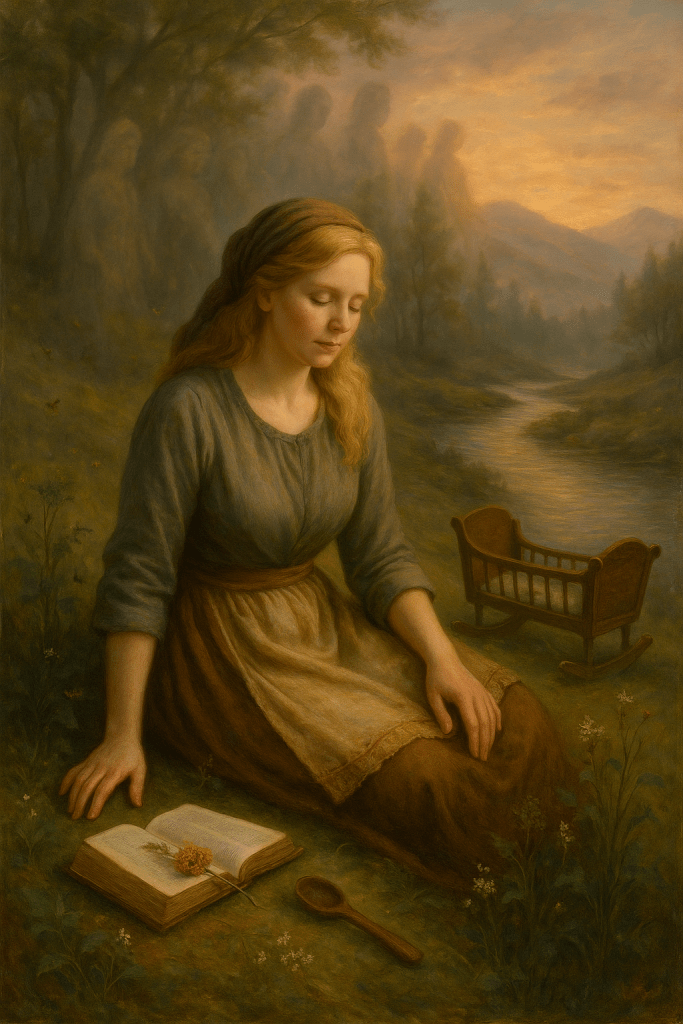
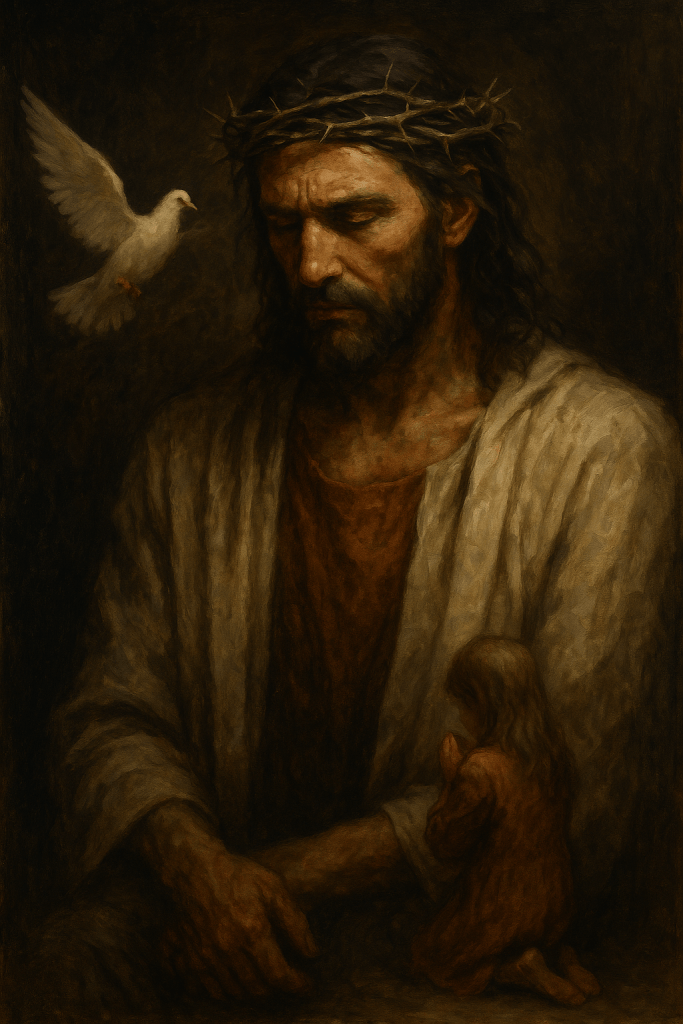

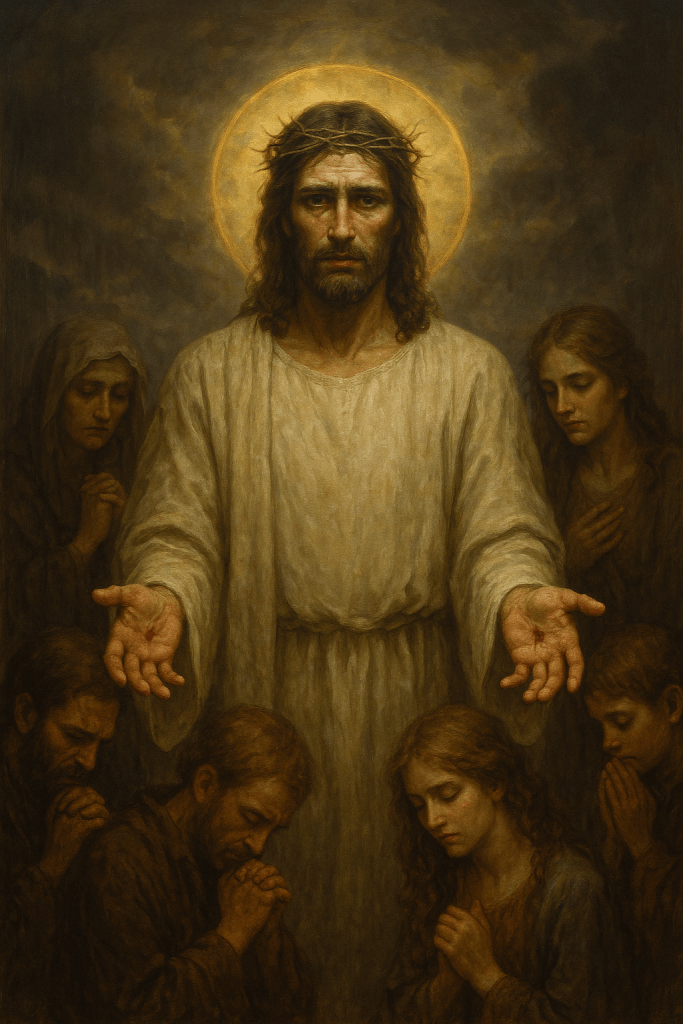
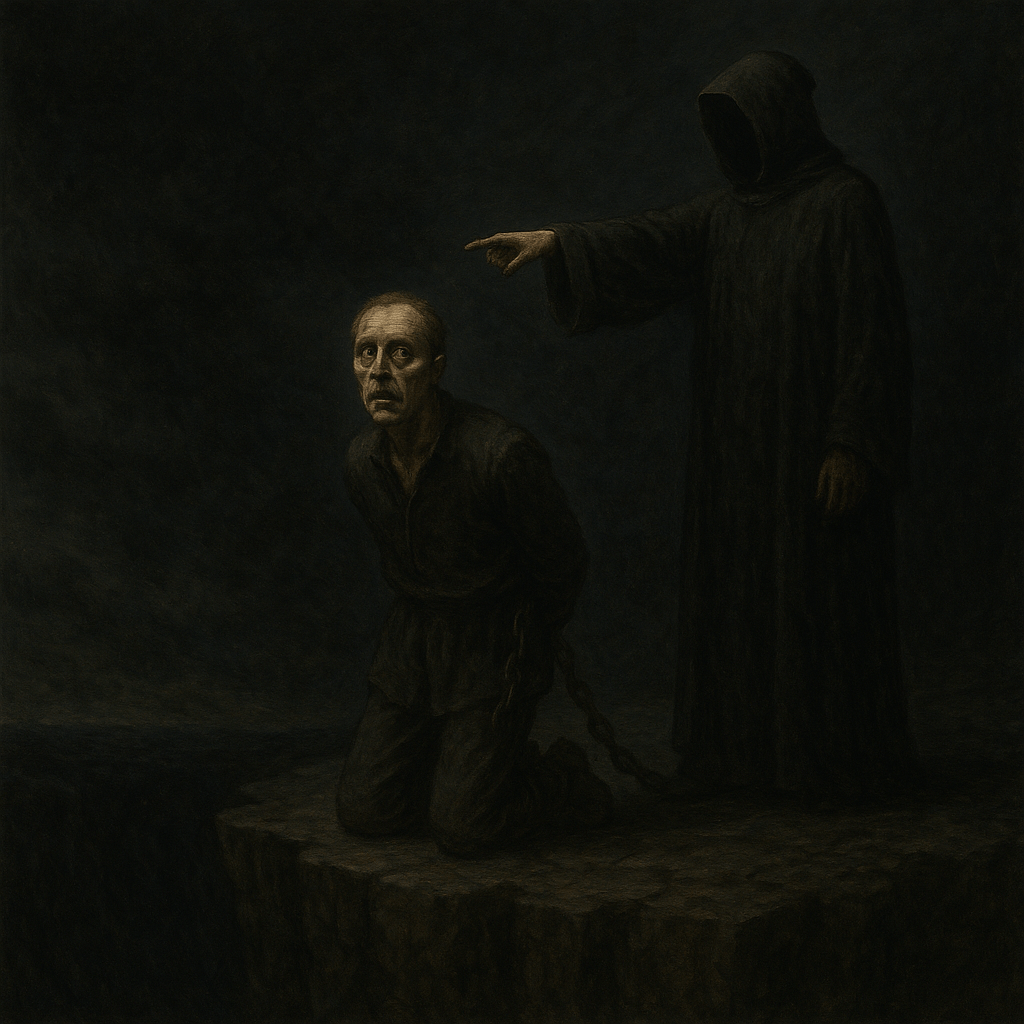
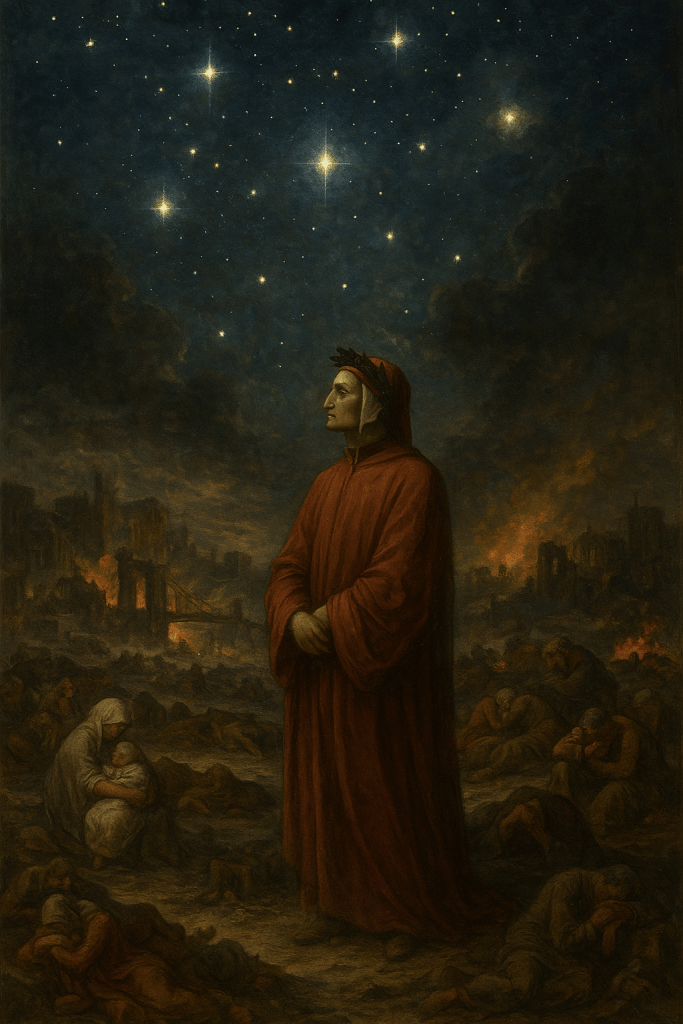
 verse, possies, sonnets, and short stories